

 Feed back
 Privacy Policy
In today's high-pressure tech environment, where 72% of Silicon Valley employees report chronic stress according to a 2024 Deloitte workplace survey, ancient Japanese practice is gaining modern relevance. Bonsai mindfulness combines therapeutic benefits of gardening with meditative focus, creating a powerful antidote to tech industry burnout. For overworked programmers, engineers, and digital creatives, this practice offers more than just stress relief bonsai techniques - it provides a sustainable framework for mental wellbeing.
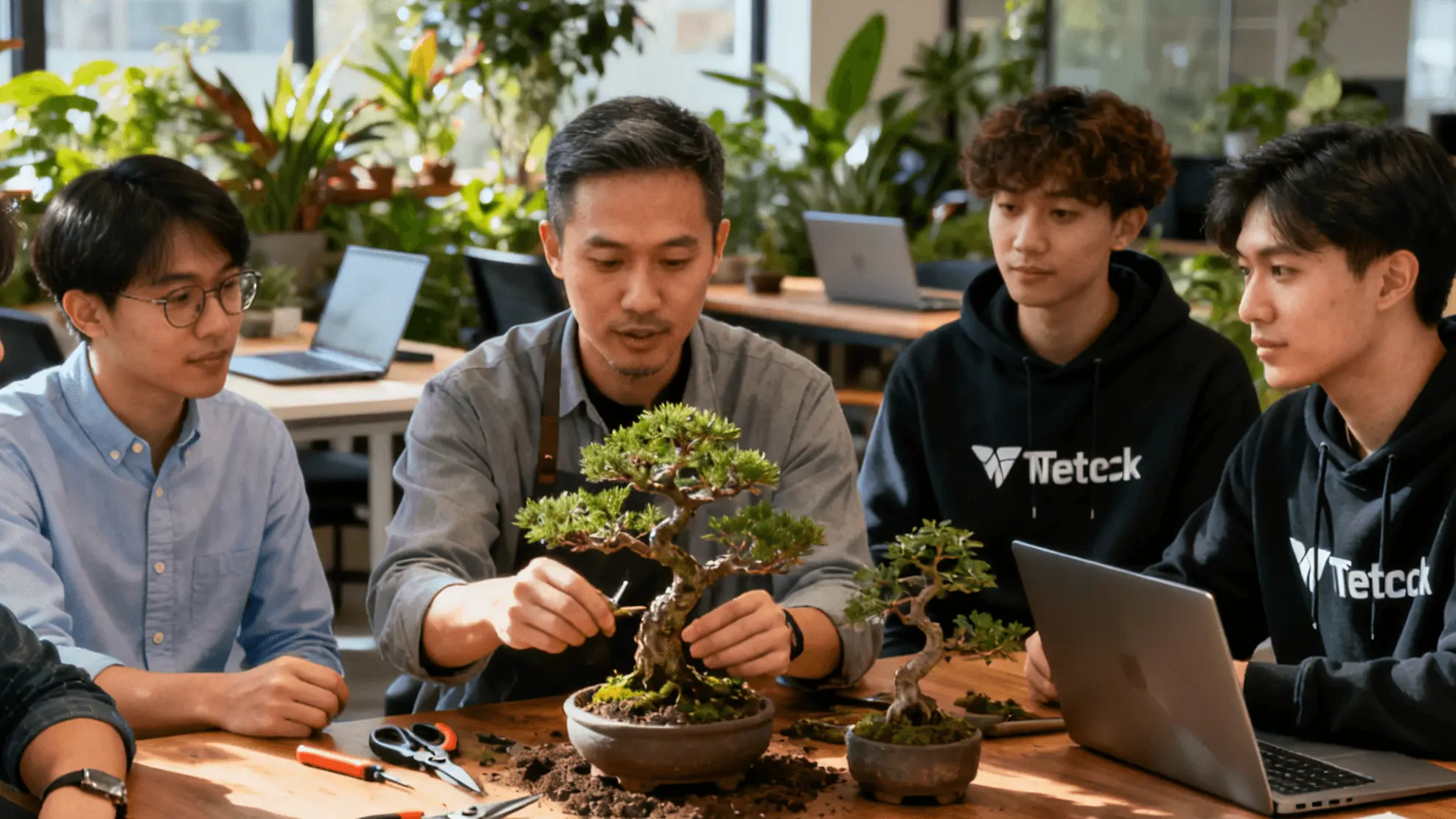
Google UX designer Daniel Park's story illustrates the transformative power of bonsai mindfulness. After suffering panic attacks during crunch periods, he discovered that 25 minutes of daily bonsai care reduced his anxiety symptoms by 40% within three months, as measured by his smartwatch's stress tracking metrics. "The tactile process of wiring branches becomes active meditation," Park explains. "Unlike digital interfaces demanding instant responses, bonsai teaches patience through gradual growth."
The American Psychological Association's 2023 Tech Workforce Report reveals disturbing trends: 68% of developers experience sleep disorders, while 52% show elevated cortisol levels. In response, progressive companies are integrating mental health gardening initiatives. Salesforce now offers "Bonsai Break Rooms," while GitHub provides starter bonsai kits to new hires. These programs recognize what neuroscientists at MIT confirmed in 2024: caring for living plants triggers dopamine release comparable to completing complex coding tasks, but without the associated stress.
Stanford's Center for Cognitive Neuroscience found that meditation through bonsai produces unique brainwave patterns. The combination of visual symmetry assessment during pruning and tactile feedback during soil work activates both the prefrontal cortex (improving decision-making) and the insular cortex (enhancing emotional awareness). This dual activation explains why 79% of practitioners in their study reported improved work performance alongside stress reduction.
A six-month study by the University of Washington tracked 250 tech professionals practicing bonsai mindfulness. Participants demonstrated:
Amazon Web Services architect Naomi Zheng describes her ficus bonsai as "a living progress bar." Unlike digital systems demanding immediate attention, the tree evolves at nature's pace. This fundamental difference helps rewire what psychologists call "tech brain" - the constant expectation of rapid responses. The Japanese concept of ma (negative space) becomes physically manifest in the careful pruning decisions, teaching practitioners the value of strategic pauses.
Effective stress relief bonsai techniques don't require hours of commitment. Research from the University of California shows benefits from just 12 minutes daily. Tech workers report success with these micro-practices:
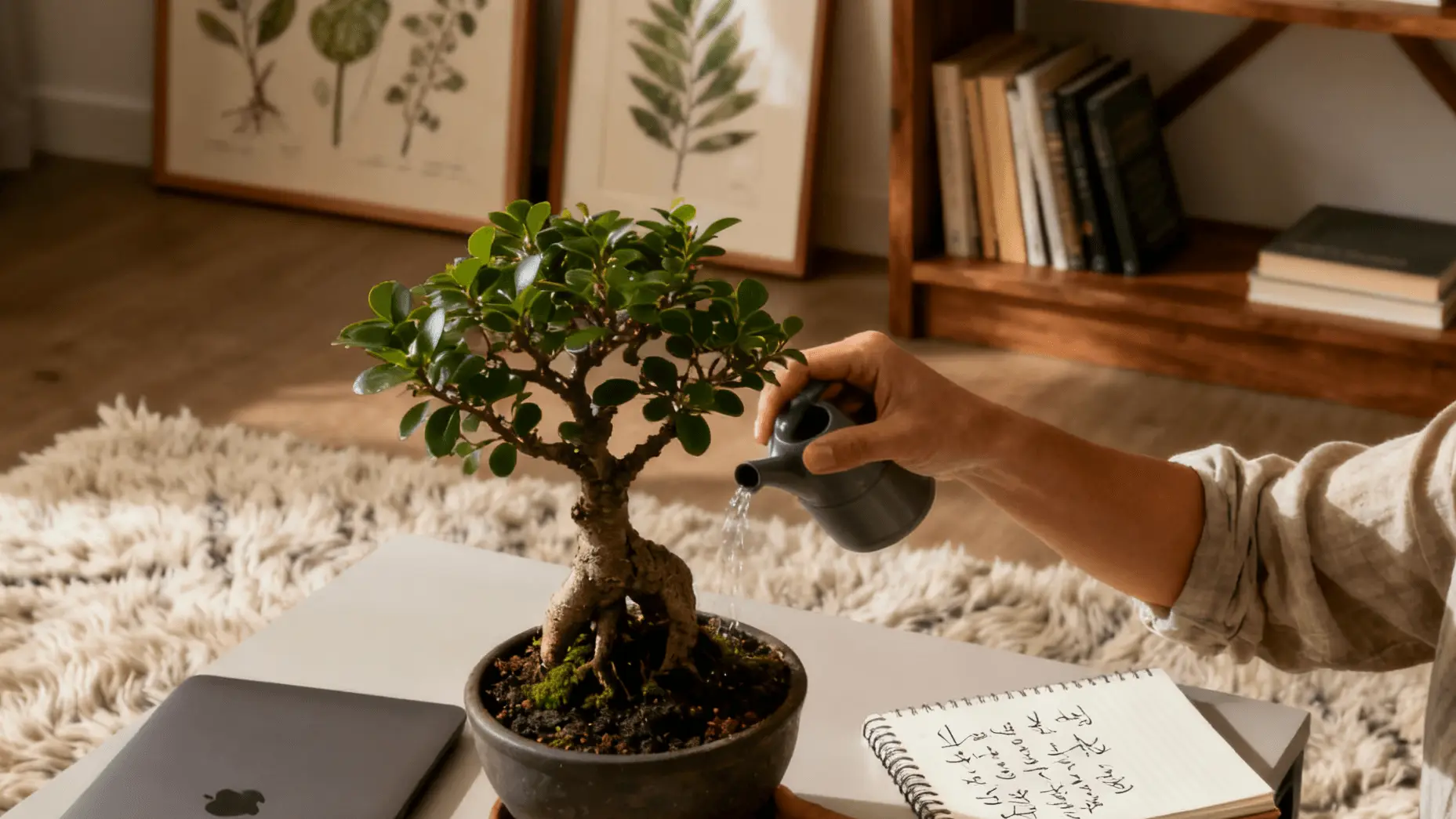
For tech workers new to mental health gardening, experts recommend beginner-friendly species:
Species
| Care Level | Mindfulness Benefit | |
|---|---|---|
| Juniper | Low | Teaches seasonal acceptance |
| Ficus | Moderate | Encourages daily observation |
| Chinese Elm | Moderate | Develops patience through slow growth |
The transition from keyboards to pruning tools becomes easier with the right equipment. Unlike tech gadgets requiring constant upgrades, these bonsai essentials last for years:
Most practitioners notice calming effects within 2-3 weeks of regular practice. The University of Washington study found measurable cortisol reduction beginning at week three.
Absolutely. Many species thrive indoors with proper lighting. LED grow lights can supplement natural light in windowless offices.
Research suggests 10-15 minutes daily provides significant stress relief, while 30-minute sessions 3x weekly yield optimal results for meditation through bonsai.
Disclaimer: The information provided about bonsai mindfulness practices is for educational purposes only and should not be considered medical advice. Consult with qualified professionals regarding mental health concerns. Individual results may vary based on commitment and personal circumstances.
Emma Harrison
|
2025.09.17


