

 Feed back
 Privacy Policy
As climate challenges escalate and cities expand, designing resilient ecosystems has become critical for sustainable urban development. Landscape architecture now plays a pivotal role in ecological design integration, creating urban spaces that adapt to environmental stresses while maintaining biodiversity and functionality. The growing implementation of US green building standards and innovative CA eco-design approaches demonstrates how modern cities are redefining their relationship with nature.
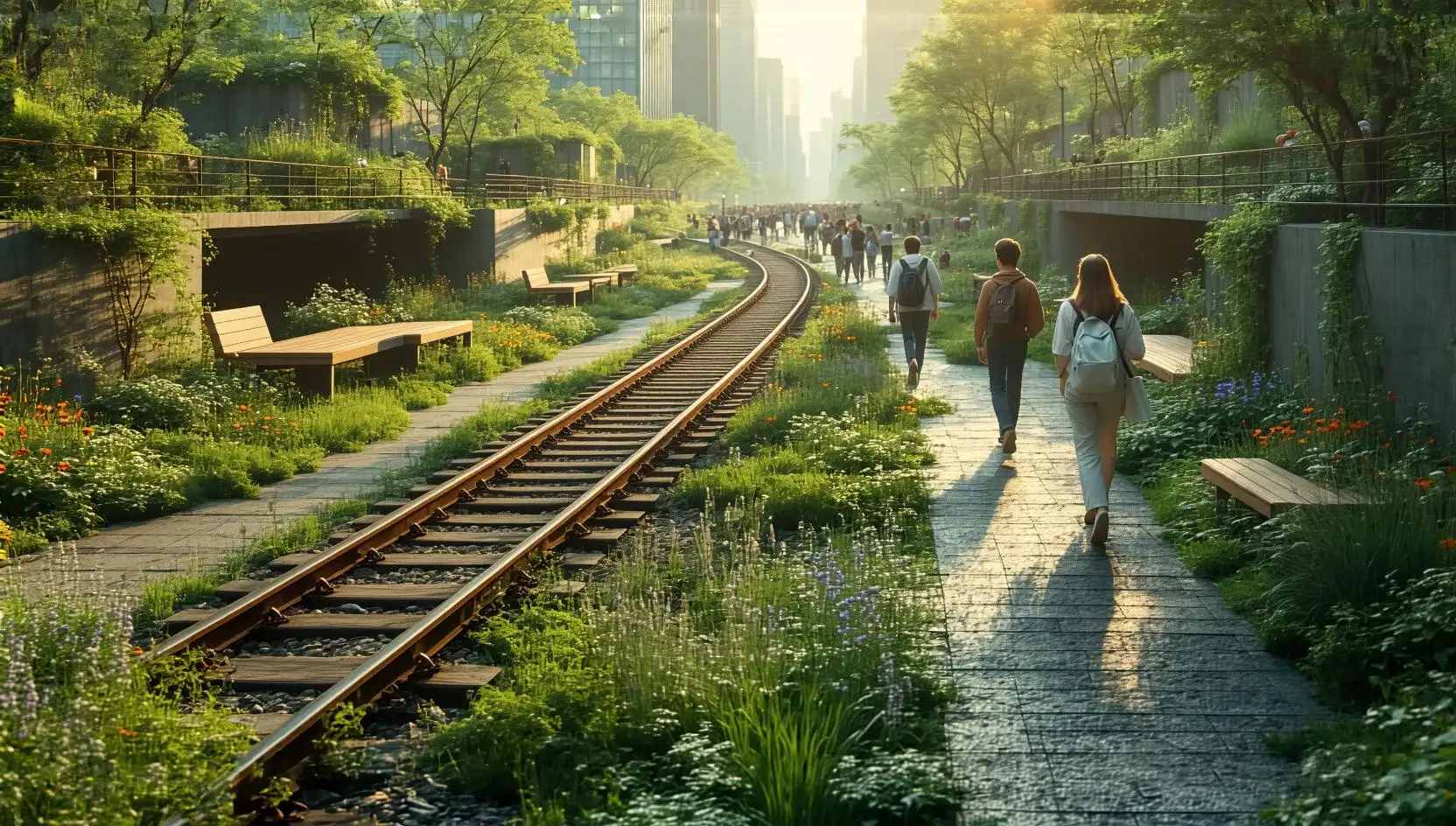
The transformation from purely ornamental landscapes to functional ecosystems marks a significant shift in landscape architecture. Early 20th century designs prioritized aesthetics, while contemporary practice focuses on creating resilient ecosystems through ecological design integration. The adoption of US green building standards like LEED has accelerated this transition, establishing benchmarks for sustainable development across North America.
California's pioneering CA eco-design initiatives demonstrate how regional approaches can complement national standards. These frameworks emphasize native vegetation, water conservation, and habitat preservation - key elements in building climate-resistant urban environments. The integration of ecological principles now drives landscape architecture beyond visual appeal toward measurable environmental benefits.
Implementing regionally appropriate plant species forms the foundation of resilient ecosystems. Native vegetation requires less maintenance while supporting local wildlife, making it essential for ecological design integration in both US green building standards and CA eco-design projects.
Traditional drainage systems often fail during extreme weather events. Modern landscape architecture incorporates bioswales, rain gardens, and permeable surfaces that mimic natural water cycles - a cornerstone of resilient ecosystems in urban settings.
Connecting green spaces through wildlife corridors enhances ecosystem viability. Combined with soil regeneration techniques, these strategies demonstrate how ecological design integration can combat habitat fragmentation while improving carbon sequestration capabilities.
This iconic project exemplifies resilient ecosystems in urban redevelopment. The High Line's design incorporates native species and sustainable materials while managing stormwater naturally - aligning with both US green building standards and principles of ecological design integration.
As a leading CA eco-design initiative, Vancouver's program integrates rain gardens and permeable pavements into urban streetscapes. This approach demonstrates how municipalities can implement resilient ecosystems at neighborhood scales.
This transformation of post-industrial land into biodiverse parkland showcases international best practices in ecological design integration. The project's wetlands and sustainable drainage systems provide a model for climate adaptation in dense urban areas.
The widespread adoption of resilient ecosystems depends on robust policy frameworks. In the United States, LEED and SITES certifications drive sustainable development, while California's specific CA eco-design requirements address regional climate challenges. These standards create measurable benchmarks for ecological design integration across public and private projects.
While the benefits of resilient ecosystems are clear, implementation barriers persist. Funding limitations and community perceptions can hinder ecological design integration, even in regions with strong US green building standards or CA eco-design policies. Emerging technologies like GIS modeling and new financing mechanisms for green infrastructure are helping overcome these challenges.
The next evolution in landscape architecture moves beyond resilient ecosystems toward regenerative design. Concepts like biomimicry and circular economy principles are expanding the possibilities of ecological design integration. As climate impacts intensify, these innovative approaches will become increasingly vital in both US green building standards and international practices.
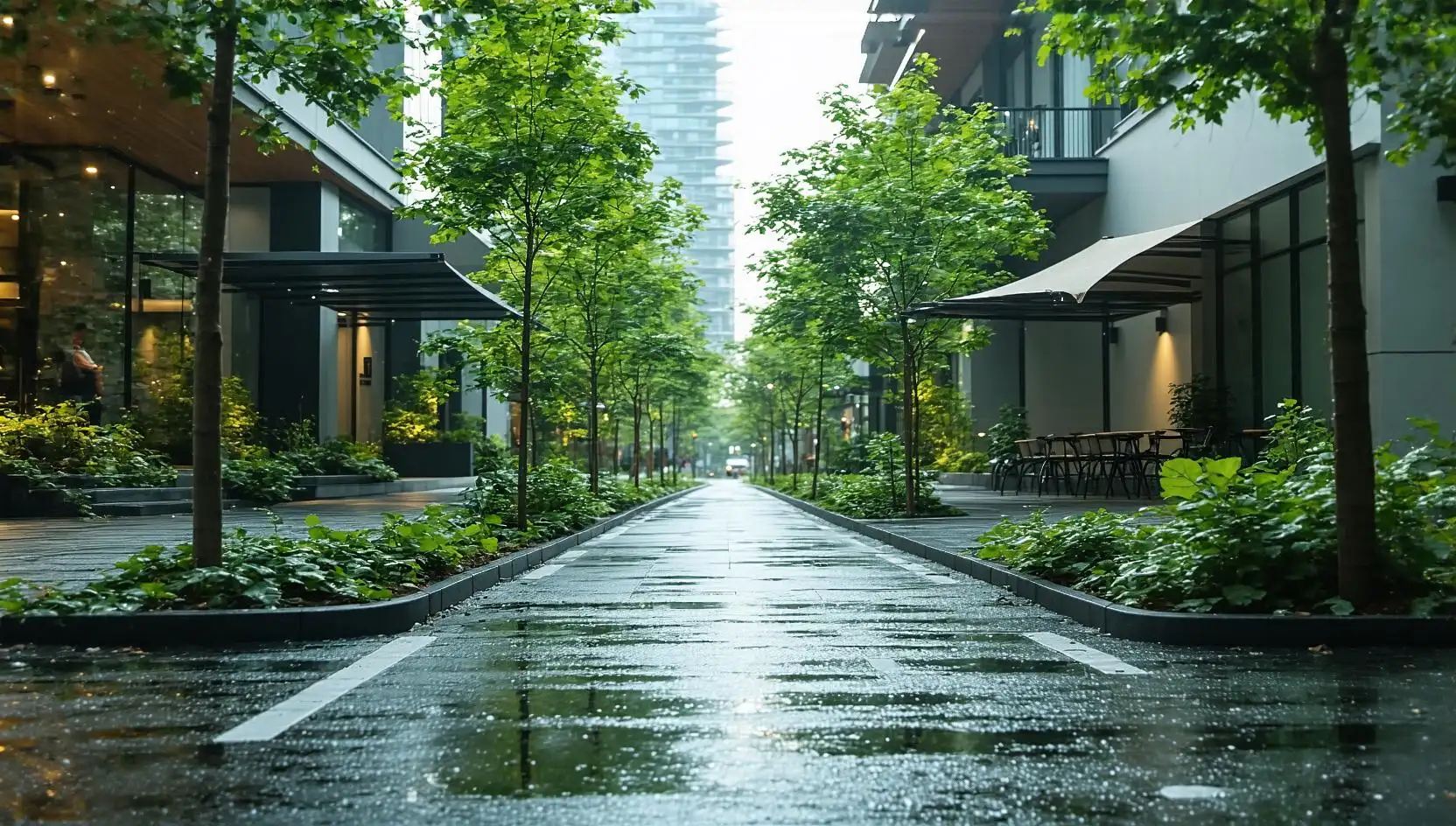
Designing resilient ecosystems through ecological design integration represents the future of sustainable urban development. From High Line Park to Vancouver's CA eco-design initiatives, successful projects demonstrate the tangible benefits of this approach. As US green building standards evolve and global practices advance, landscape architecture will continue leading the transition toward cities that work in harmony with natural systems.
The urgency of climate adaptation requires immediate action from designers, policymakers, and communities. By embracing the principles of resilient ecosystems and ecological design integration, we can create urban environments that are not just sustainable, but regenerative - ensuring livable cities for generations to come.
Hartley
|
2025.07.02


