

 Feed back
 Privacy Policy
As record-breaking heatwaves scorch American cities from coast to coast, a quiet revolution is taking root in backyards, parks, and public spaces nationwide. The eco-friendly gardening USA movement is redefining urban landscapes, offering sustainable solutions to water scarcity, biodiversity loss, and urban heat islands. With traditional turfgrass lawns consuming nearly 9 billion gallons of water daily across the U.S. (EPA WaterSense), municipalities and homeowners alike are embracing sustainable landscape design to create resilient green spaces in American cities that thrive in changing climate conditions.
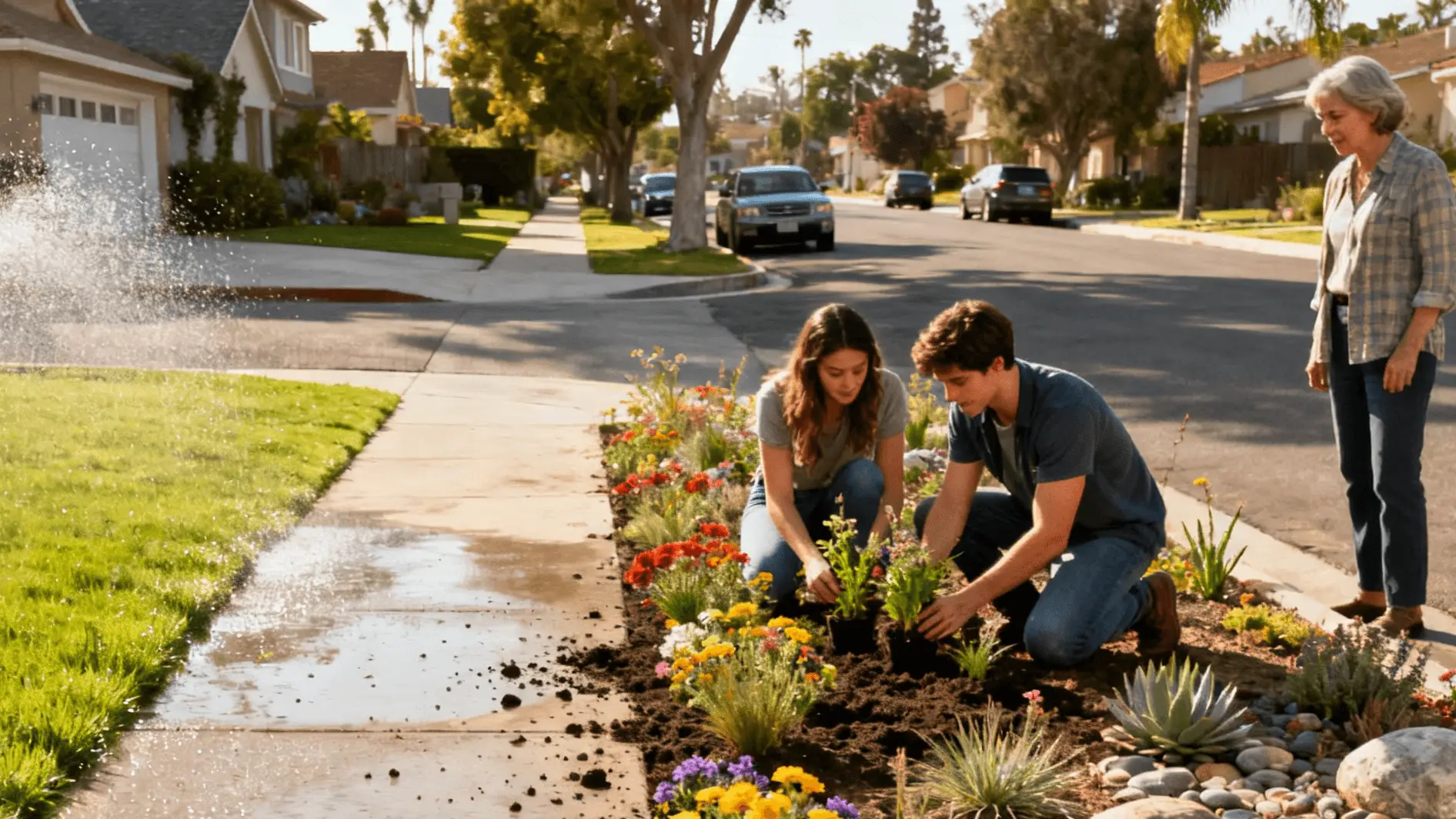
Austin, Texas serves as a prime example of this transformation. The city's Watershed Protection Department reports that converting just 1,000 square feet of traditional lawn to native plants can save approximately 35,000 gallons of water annually. Their Grow Green program has trained over 15,000 residents in eco-friendly gardening USA techniques since 2019, resulting in measurable improvements:
The American Society of Landscape Architects (ASLA) 2023 report reveals that 42 states now offer incentives for sustainable landscape design, with California leading at $3.2 million in annual rebates for lawn conversions. These policy shifts reflect growing recognition of native plant gardens as essential infrastructure for climate adaptation.
EPA data demonstrates the dramatic water savings possible with eco-friendly gardening USA approaches. In Phoenix, AZ, where temperatures regularly exceed 110°F, xeriscaped properties use 75% less water than traditional landscapes while maintaining property values. The city's Water Conservation Office documents:
Landscape Type
| Annual Water Use (gal/sq ft) | Maintenance Cost | |
|---|---|---|
| Traditional Lawn | 55 | $1.25/sq ft |
| Native Plant Garden | 12 | $0.40/sq ft |
Chicago's award-winning Green Alleys Program demonstrates how sustainable landscape design can address multiple urban challenges simultaneously. By retrofitting 1,900+ alleyways with permeable pavement and native vegetation, the city has:
The program's success has inspired similar initiatives in 28 other U.S. cities, proving that green spaces in American cities can be both functional infrastructure and ecological assets.
In water-stressed regions, innovative eco-friendly gardening USA techniques are becoming mainstream. Tucson's rainwater harvesting rebate program has installed over 6,000 systems since 2020, collectively capturing 18 million gallons annually. The University of Arizona's Water Resources Research Center found these systems:
Federal support through the Inflation Reduction Act has allocated $1.5 billion for urbanestry programs, creating unprecedented opportunities for sustainable landscape design projects. Notable local initiatives include:
These policies are transforming green spaces in American cities from aesthetic amenities into critical climate infrastructure. The USDA reports that urban canopy cover has increased in 63% of major U.S. cities since 2020, with measurable cooling effects.
Smart irrigation technologies are making eco-friendly gardening USA practices more accessible. Market research firm IBISWorld reports 28% annual growth in smart irrigation controller sales, with devices like Rachio 3 saving:
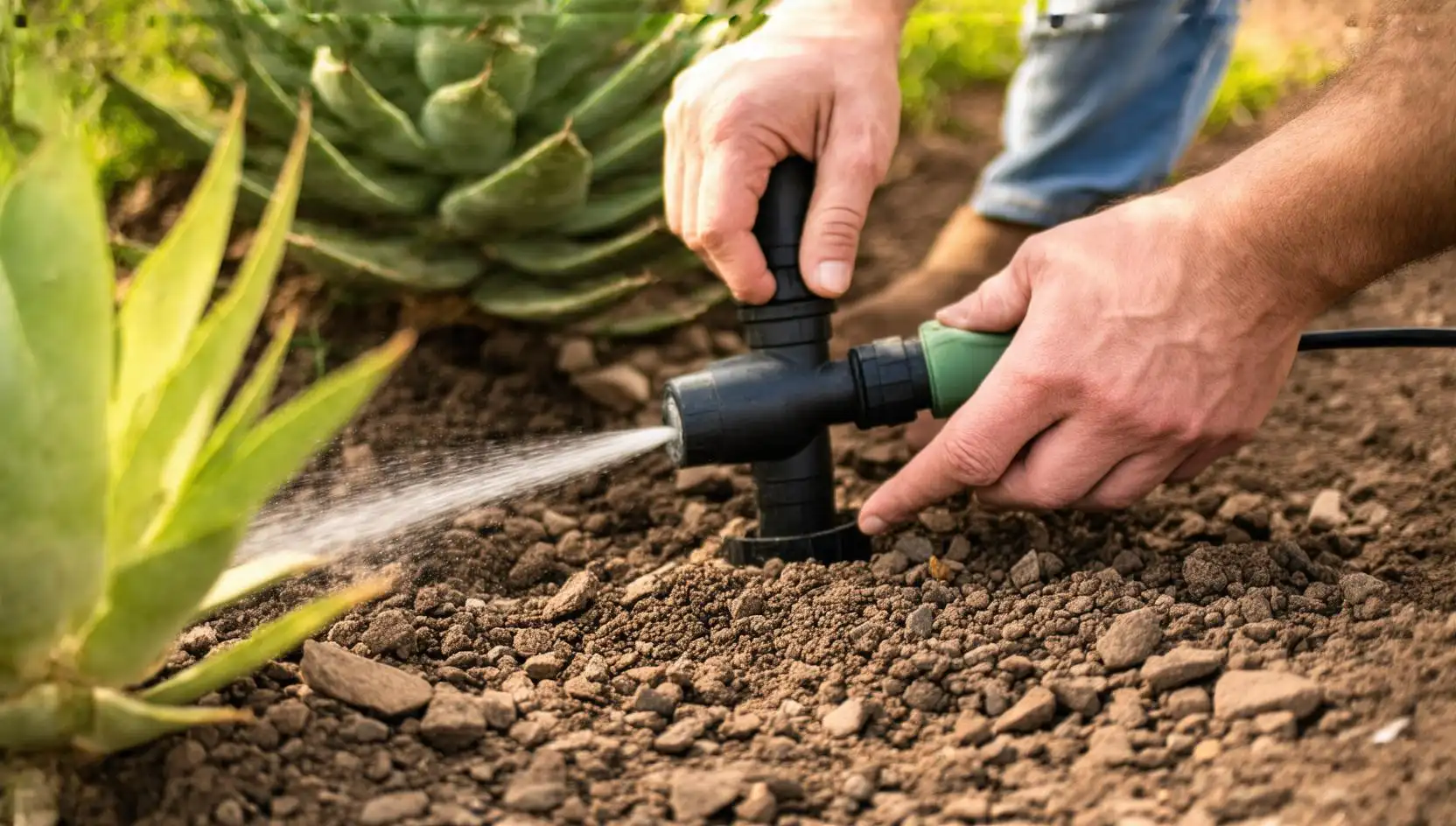
Eco-friendly gardening USA prioritizes native plants, water conservation, and ecosystem health over manicured aesthetics. It reduces or eliminates chemical inputs, supports local wildlife, and works with natural processes rather than against them.
Even small spaces can contribute! Container gardens with native plants, balcony rain barrels, and participation in community garden programs all support green spaces in American cities. Many municipalities offer free workshops and plant giveaways.
Yes. Beyond water savings, 23 states offer lawn conversion rebates ranging from $0.50-$3.00 per square foot. The EPA estimates average annual savings of $1,200 for homeowners who adopt sustainable landscape design practices.
【Disclaimer】The information contained in this article regarding Sustainable Gardening Practices Gaining Popularity Across the U.S. This Summer is for general information purposes only. The author and publisher assume no responsibility for errors or omissions in the contents. Readers should consult with appropriate professionals before making any decisions based on this content.
Thompson
|
2025.09.22


