

 Feed back
 Privacy Policy
In the sun-drenched regions of Italy, where summer temperatures consistently soar above 35°C (95°F), native Italian garden plants are proving to be the secret weapon for sustainable landscaping. These indigenous species, perfectly adapted to Mediterranean conditions, offer more than just aesthetic appeal—they create resilient ecosystems that support summer flora Italy while enhancing biodiversity in Italian gardens. As climate change intensifies, these plants demonstrate remarkable drought tolerance, requiring up to 60% less water than non-native alternatives according to recent studies from the University of Bologna.

Traditional Italian gardens often feature thirsty exotic species that disrupt local ecosystems. A 2021 study in Perugia revealed that ornamental lawns consume 42% of residential water while supporting less than 12 native insect species per square meter. In contrast, gardens using native Italian garden plants like Salvia officinalis and Nepeta nepetella saw pollinator activity increase by 320% while reducing water needs by nearly two-thirds.
Research from the European Centre for Biodiversity Monitoring (2023) demonstrates that gardens with ≥70% native Italian garden plants support 29.4 arthropod species per m² compared to just 11.6 in non-native plots. These plants create vital habitat connectivity, with deep-rooted species like Onopordum acanthium improving soil moisture retention by 37% during droughts (CRA-CIN data).
This iconic summer flora Italy species thrives with just 200mm annual rainfall. A Montalcino vineyard documented 28% more beneficial insects after planting lavender hedgerows, while simultaneously producing marketable essential oils.
ISPRA research shows this drought-tolerant native reduces soil erosion by 53% in Sardinia. Its fire-resistant seeds germinate after wildfires, making it ideal for climate-resilient gardens.
Rome's "Green Roofs for Biodiversity" project achieved 40% more bird sightings using summer flora Italy species, while reducing rooftop temperatures by 4.2°C (La Sapienza University data). Similar success has been replicated in California using analogous native species.
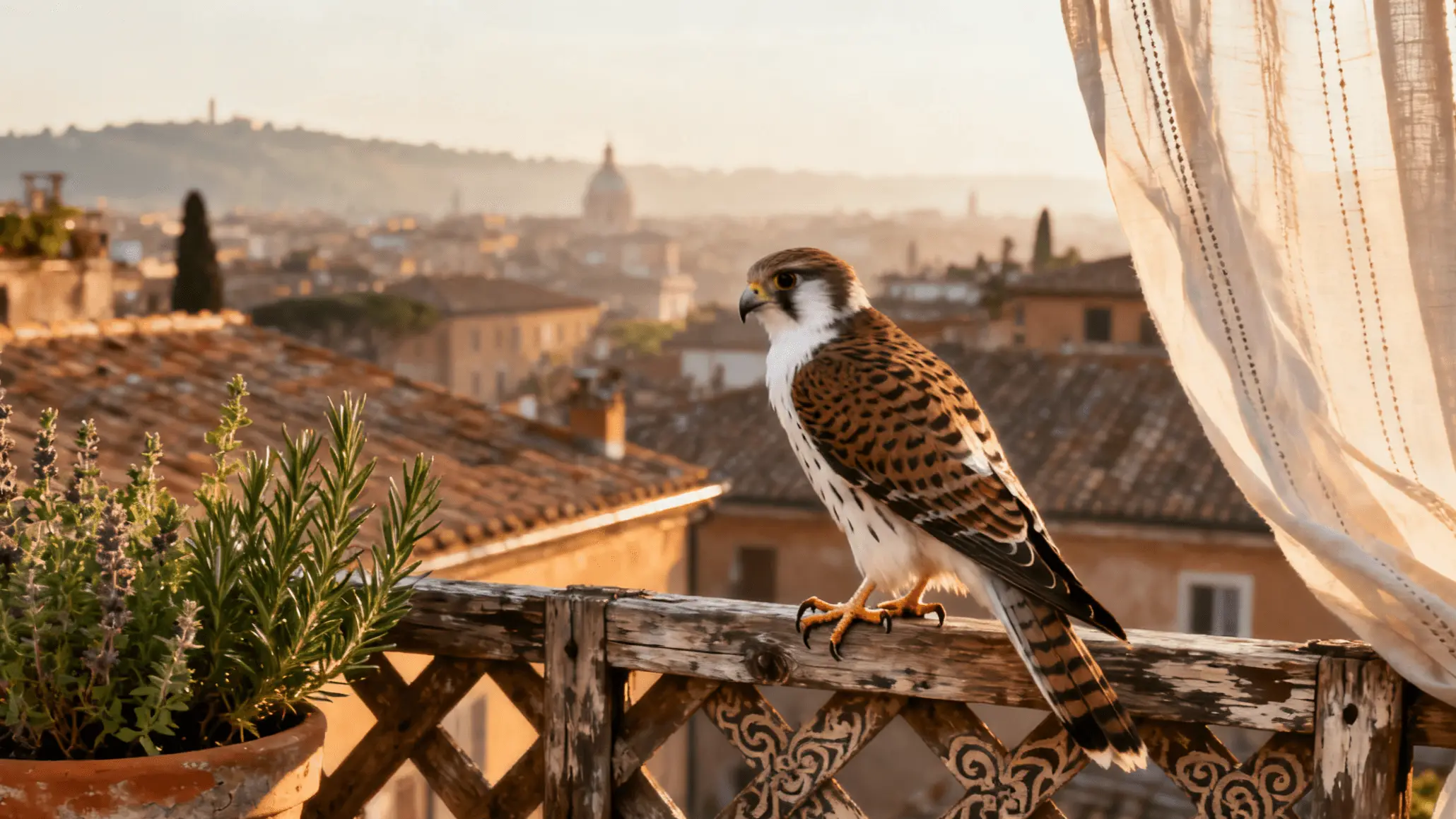
Native plant gardens use 69% less water than conventional designs (680 vs. 210 liters/m²). After five years, they show 31% more organic matter and doubled mycorrhizal networks, significantly improving soil health.
【Disclaimer】 The content regarding Top Native Plants for Summer Gardens in Italy and Their Benefits is for informational purposes only and does not constitute professional advice. Readers should consult qualified experts before making decisions based on this information. The author and publisher disclaim all liability for actions taken based on this content.
Rossi
|
2025.09.22


