Bees, butterflies, and other pollinators are essential to our ecosystem—responsible for one in every three bites of food we eat (USDA, 2023). Yet, habitat loss and pesticide use have caused alarming declines in bee populations. The good news? You can help by planting pesticide-free, nectar-rich flowers that provide safe havens for pollinators. Whether you have a sprawling garden or a small balcony, these 15 bee-friendly plants will transform your space into a buzzing paradise—without harming our vital pollinators.
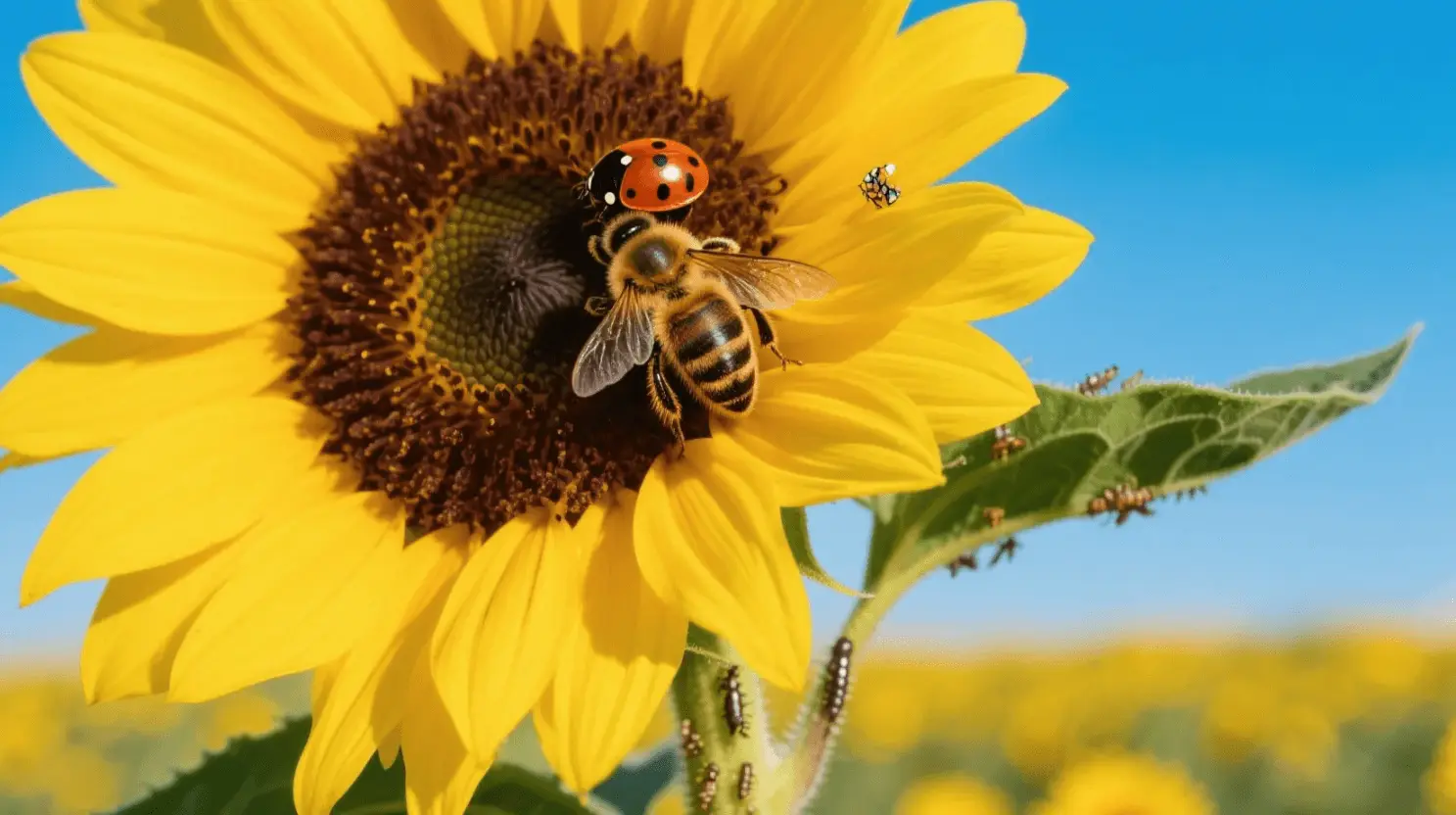
Why Pollinator-Friendly Gardens Matter
According to a 2023 study by the University of Maryland, bees and butterflies face three major threats:
- Habitat destruction (urbanization reduces wildflower meadows)
- Pesticide exposure (neonicotinoids disrupt bee navigation)
- Climate change (shifting bloom times mismatch with pollinator activity)
Case Study: Oregon beekeeper Lisa H. increased her hive’s honey production by 40% after planting a mix of native wildflowers and herbs—proving even small changes make a difference.
15 Best Flowers for a Bee-Friendly Garden
1. Lavender (Lavandula spp.)
- Why bees love it: High nectar content, long blooming season.
- Best for: Dry climates (Mediterranean, Southwest U.S.).
- Tip: French lavender (Lavandula dentata) thrives in humid zones like Florida.
2. Sunflower (Helianthus annuus)
- Bonus: Supports monarch butterflies during migration (Xerces Society, 2022).
- Regional note: In cooler climates (e.g., UK), choose dwarf varieties for shorter summers.
3. Coneflower (Echinacea purpurea)
- Science-backed: A 2022 EPA report found it attracts over 20 pollinator species.
- Personal pick: I prefer purple coneflower—its sturdy stems withstand heavy rain.
4. Bee Balm (Monarda spp.)
- Hummingbird magnet: Also attracts ruby-throated hummingbirds.
- Warning: Prone to mildew in humid areas—space plants for airflow.
5. Milkweed (Asclepias spp.)
- Critical for monarchs: The only host plant for their caterpillars (USDA Forest Service).
- Best variety: Swamp milkweed (Asclepias incarnata) for wetter regions.
Case Study: A Michigan community garden saw a 300% increase in monarch sightings after planting milkweed patches.
Regional Considerations for Pollinator Gardens
Hot & Dry Climates (Arizona, Southern California)
- Top picks: Agastache, blanket flower (Gaillardia), desert marigold.
- Water-saving tip: Use drip irrigation to conserve water while keeping blooms lush.
Cool & Wet Climates (Pacific Northwest, UK)
- Best options: Foxglove (Digitalis), borage, red clover.
- Challenge: Slugs love damp gardens—use copper tape instead of chemical pellets.
Humid Subtropical Zones (Florida, Gulf Coast)
- Thrives here: Salvia, pentas, firebush (Hamelia patens).
- Avoid: Overcrowding—fungal diseases spread quickly in humidity.
How to Make Your Garden Truly Bee-Safe
1. Avoid Pesticides (Even "Organic" Ones)
- Neonicotinoids (found in many store-bought treatments) are linked to colony collapse (Journal of Agricultural Science, 2023).
- Alternative: Introduce ladybugs for natural pest control.
2. Provide Water Sources
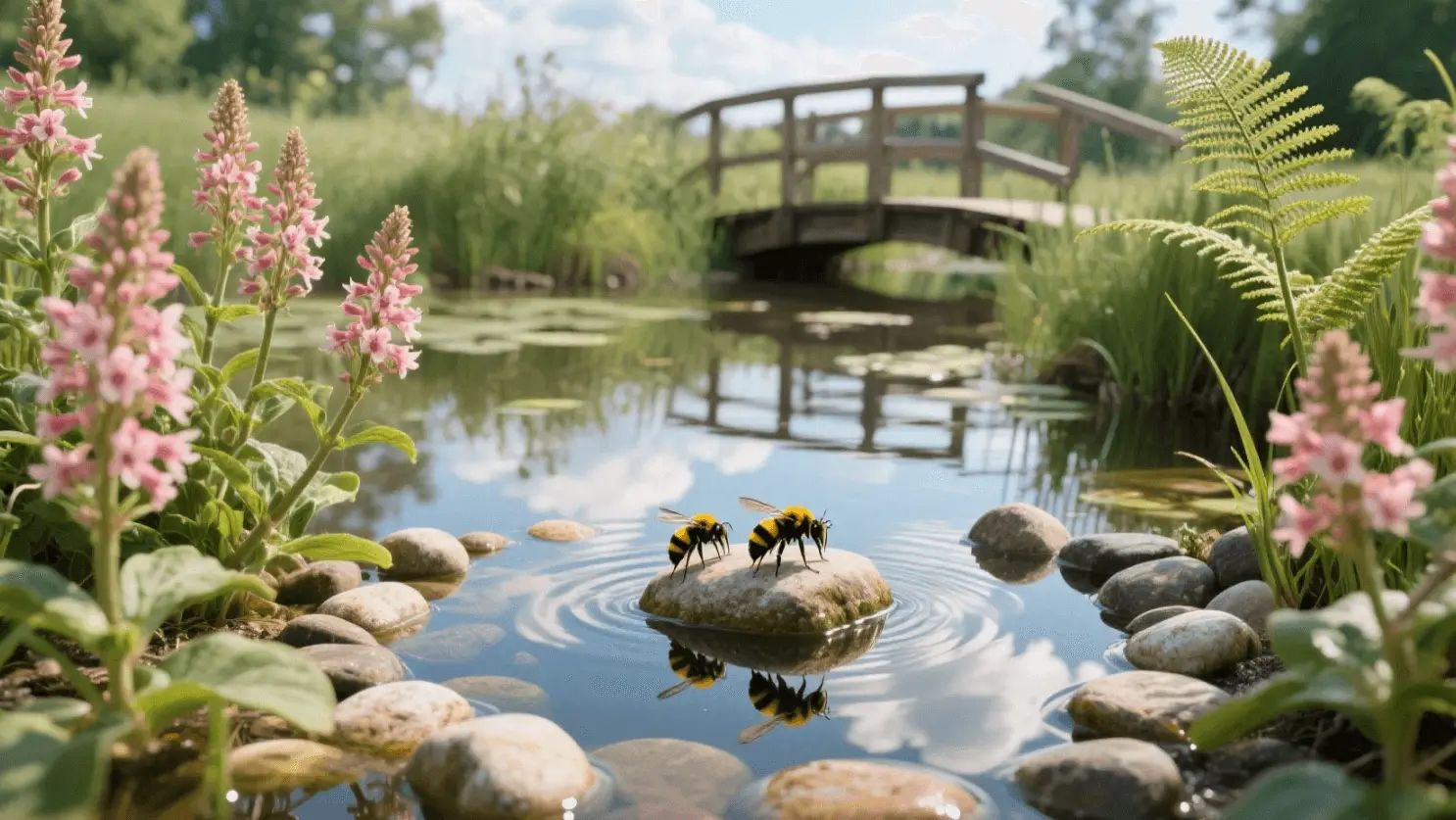
- Bees need hydration! Use shallow dishes with pebbles to prevent drowning.
3. Plant in Clusters
- Research shows (RHS, 2022) bees prefer grouped flowers (easier foraging).
Personal Recommendation: I use terra-cotta pots for herbs like thyme—they retain moisture and look charming.
Common Mistakes to Avoid
❌ Planting only double-petaled flowers (e.g., some roses)—they often lack nectar.
❌ Ignoring fall blooms—bees need food before winter (try goldenrod).
❌ Using mulch heavily—ground-nesting bees need bare soil.
Case Study: Texas gardener Carlos replaced his lawn with clover and creeping thyme—now his yard buzzes with activity year-round.
Final Thoughts: Start Small, Think Big
You don’t need acres to help pollinators. Even a container garden with 3-5 bee-friendly plants makes an impact. My top easy picks:
- Zinnias (fast-growing, great for beginners).
- Catmint (Nepeta)—drought-tolerant and long-blooming.
- Dill & fennel (host plants for swallowtail butterflies).
Sources:
- USDA: Pollinator Habitat Guidelines (2023)
- Xerces Society: Monarch Butterfly Conservation (2022)
- RHS: Best Plants for Bees (2022)
By choosing pesticide-free, region-appropriate blooms, you’ll create a sanctuary for bees, butterflies, and other vital pollinators—ensuring our ecosystems thrive for generations. 🌸🐝


 Feed back
 Privacy Policy


